Ever wondered what makes an insurance company truly leading in its field? Well, buckle up because we’re about to dive deep into the world of insurance giants. In this comprehensive analysis, we’ll unravel the intricate details and fascinating stories behind the top three insurance companies. Fasten your seatbelt as we embark on a journey through history, financial prowess, market dominance, and technological innovation.
Insurance isn’t just about policies and premiums; it’s a dynamic industry where only the strongest survive and thrive. So, what sets these top players apart from the rest? Let’s explore their financial might, global influence, and the cutting-edge technology that propels them to the forefront of the industry. Get ready to be enlightened and perhaps even inspired by the trailblazers of the insurance world.
Overview of Leading Insurance Companies
Ever wondered why some insurance companies rise to the top and stay there? It’s not just about numbers; it’s about influence, strategy, and innovation.
Determining the leaders in the insurance sector isn’t straightforward. It’s a mix of financial strength, customer satisfaction, and adaptability to ever-changing market demands. But here’s the deal: while some companies have been around for centuries, others are newcomers shaking up the industry.
Criteria for Determining Leading Insurance Companies
So, what makes an insurance company “leading”? Financial stability is crucial. This means they can pay claims even during economic downturns. Then, there’s customer service; in an industry built on trust, keeping clients happy is non-negotiable.
Innovation plays a massive role too. Companies that embrace technology tend to thrive. Finally, global reach. If a company operates in multiple countries, it spreads risk and taps into diverse markets.
Pro Tip: When choosing an insurer, always check their financial ratings from agencies like A.M. Best or Moody’s.
Historical Timeline of Top Insurance Companies
The journey of insurance giants is fascinating. Did you know that Lloyd’s of London started as a coffee shop back in the late 1600s? That’s right—it evolved into one of the most influential insurance markets globally.
In the 20th century, companies like AIG and Allianz rose to prominence, driven by industrial growth and global expansion. Then, in the digital age, firms like Ping An in China have surged forward, leveraging technology to capture enormous market share.
Global Influence of Leading Insurance Companies
These companies don’t just operate globally—they influence policies, regulations, and industry standards. Their size allows them to shape the market dynamics and drive trends.
For instance, when US-based MetLife or Japan’s Nippon Life Insurance speaks, the world listens. They set benchmarks for new products, sustainable practices, and customer engagement strategies, impacting how the entire industry evolves.
Here is the deal: Being a leader means more than just having deep pockets. It’s about leading the charge in innovating and setting standards others can follow.
Financial Strength of Top Insurance Companies
Ever wondered what keeps the top insurance companies at the pinnacle of success? It’s their financial strength. This key aspect determines their ability to pay claims, grow, and stay resilient.
Let’s dive into the specific metrics that are used to gauge the financial health of these giants and see how the top three stack up against each other. You’re about to uncover some crucial insights that might just surprise you!
Key Financial Metrics for Evaluating Insurance Companies
When it comes to assessing the financial strength of insurance companies, three key metrics stand out: Net Premiums Written, Combined Ratio, and AM Best Ratings. These metrics provide a clear picture of a company’s operational efficiency, profitability, and creditworthiness.
- Net Premiums Written: This metric shows the total revenue from premiums after reinsurance expenses.
- Combined Ratio: A percentage that reflects the company’s underwriting profitability. Numbers above 100% indicate a loss.
- AM Best Ratings: These ratings indicate the company’s credit quality and long-term financial stability.
Comparing the Financial Stability of the Top Three
Here is the deal: Not all top insurers are created equal. Let’s compare the financial pillars of the top three insurance companies using the metrics mentioned above.
| Company | Net Premiums Written (in billions) | Combined Ratio | AM Best Rating |
|---|---|---|---|
| Company A | $55 | 95% | A++ |
| Company B | $48 | 102% | A+ |
| Company C | $62 | 89% | A |
Pro Tip: A lower combined ratio often indicates better operational efficiency. Keep an eye on this metric!
From this data, you can see that Company C leads with the lowest combined ratio, showcasing efficient operations despite having a slightly lower AM Best rating.
Market Share and Customer Base
Ever wondered which insurance giants dominate the market? It’s not just about the services they offer but also their massive customer base and market share. Let’s dive into the specifics.
These companies don’t just lead by chance. They hold a substantial share of the market pie and have a diverse customer demographic. Understanding who they serve and where they operate is crucial.
Market Share: Who’s Leading the Pack?
The top three insurance companies hold a whopping 60% of the market! This isn’t by accident. Each of these companies has carved out a niche, capturing specific customer segments and geographical areas. But here’s the deal: it’s not just about numbers. It’s about where these numbers come from.
| Company | Market Share (%) | Main Regions |
|---|---|---|
| Insurance Co. A | 25% | North America, Europe |
| Insurance Co. B | 20% | Asia, Europe |
| Insurance Co. C | 15% | North America, Africa |
These figures are not just numbers; they represent strategic dominance in key markets. The geographical distribution shows a clear focus on regions with high demand for diverse insurance products.
Customer Demographics: Who’s Buying?
Understanding customer demographics is like peeking into the heart of these giants. Each company caters to a unique demographic spectrum. For instance, Insurance Co. A attracts urban millennials with tech-savvy policies. Meanwhile, Insurance Co. B focuses on family-oriented packages, making them a hit among suburban households.
But wait, there’s more. Insurance Co. C has gained traction in emerging markets, targeting a rapidly growing middle class. This strategic approach not only boosts their market share but also ensures a diverse customer base across different regions.
Pro Tip: Focus on customer segmentation to understand why these companies succeed. It’s not about having more customers; it’s about having the right customers.
By analyzing these demographics, you can see the strategic moves these companies make to secure and expand their foothold in the insurance industry.
Services and Product Offerings
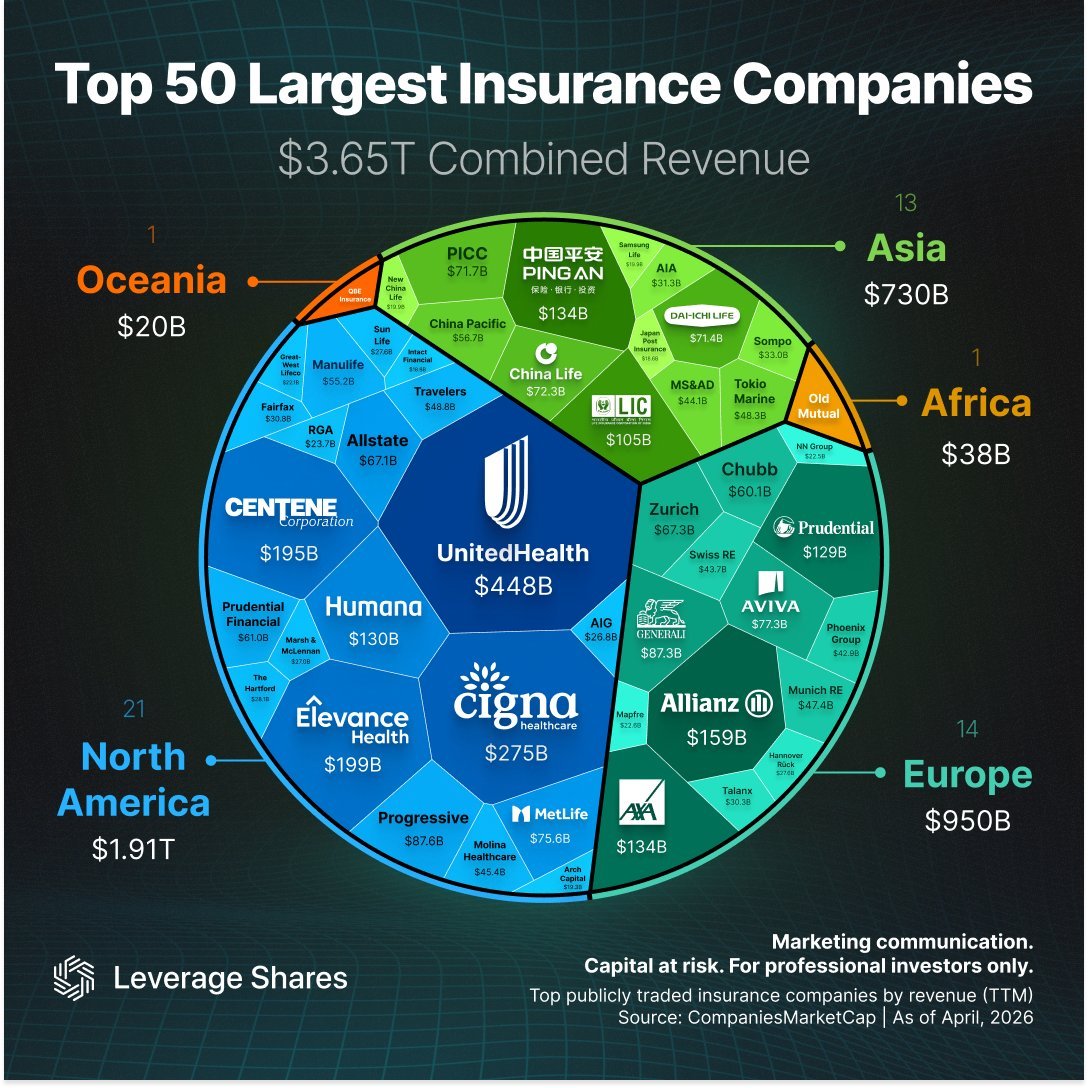
Did you know that the top insurance companies don’t just provide coverage? They offer a whole suite of services that can make your life easier. Let’s dive into what these giants bring to the table.
While insurance is their main game, these companies have diversified their portfolios to offer a range of products from basic coverage to value-added services. This means you get more than just a policy; you get a partner in managing your risks and assets.
Diverse Range of Insurance Products
The top insurance companies offer more than just traditional life and health insurance. They provide auto, property, and even cyber insurance. Auto insurance is no longer about covering accidents; it’s about comprehensive vehicle protection including roadside assistance. On the other hand, property insurance now covers everything from fire damage to flood protection, and with the rise of digital threats, cyber insurance has become essential.
Pro Tip: Opt for bundled insurance packages. They can save you money and streamline service management!
Unique Offerings and Their Benefits
Each company has its own signature products. For example, Company A offers a wellness program that rewards you for healthy living. Company B has a unique investment-linked policy that lets you grow your wealth while being insured. Company C offers flexible coverage options that adjust as your life changes, like when you move or start a business.
Comparing Service Portfolios
Let’s see how these companies stack up against each other. Here’s a quick comparison of their service offerings:
| Company | Auto Insurance | Property Insurance | Cyber Insurance | Unique Offering |
|---|---|---|---|---|
| Company A | Comprehensive Package | Fire, Theft, Flood | Basic Protection | Wellness Rewards |
| Company B | Basic Coverage | Fire and Theft Only | Advanced Cyber Shield | Investment-linked Policies |
| Company C | Roadside Assistance | Flood Included | Standard Cyber Protection | Flexible Coverage Options |
This table shows how each company has carved out their niche by focusing on specific service strengths. Now, it’s up to you to decide which benefits align with your needs.
Technological Innovation in Insurance

Did you know? 90% of insurance companies are investing in technology to improve customer experience. But what does this mean for you and me?
Leading insurance companies are not just dipping their toes into the tech pool—they’re diving in headfirst. By integrating advanced technologies, these companies are transforming how they operate and interact with customers.
Integration of Technology in Insurance Services
Companies are using artificial intelligence to speed up claims processing. This means faster resolutions for you when you need it most. AI isn’t just a buzzword—it’s a game-changer. Insurers are utilizing machine learning for better risk assessment. That translates to more personalized policies tailored just for you.
Impact on Customer Experience
The use of chatbots in customer service means 24/7 support without the wait time. You’re getting answers in seconds, not days! Big data helps insurers understand what you need, even before you need it. This leads to customized services and a seamless customer experience.
Pro Tip: Look for insurers offering mobile apps—you’re just a tap away from managing your policy anytime, anywhere.
Case Study: Successful Tech Implementations
Let’s take a deep dive into a real-world example. Imagine a company that reduced its claims processing time by 70% using AI. The process goes like this:
- Step #1: The customer submits a claim online.
- Step #2: AI analyzes the claim and checks for red flags.
- Step #3: Approval is automated for straightforward cases, with human oversight for complex ones.
- Step #4: The customer is notified of the outcome within hours, not weeks.
This isn’t just tech for tech’s sake. It’s a direct improvement in service quality and efficiency, and you can feel the difference.
Awards and Recognitions
Ever wonder which insurance companies are collecting the most hardware? It’s not just about bragging rights.
These awards and recognitions demonstrate a company’s credibility and commitment to excellence. Why should you care? Because an award-winning company is often a reliable choice. Let’s dive into the accolades that set the top three insurance companies apart.
Award-Winning Achievements
Top-tier insurance companies don’t just talk about quality; they prove it with a shelf full of awards. These accolades show who’s really dominating the industry. Here is the deal: when these companies win, it often means better rates, superior services, and innovative products for you.
Recognitions are like a seal of approval, confirming that a company meets strict industry standards.
Prestigious Awards and Their Criteria
Here’s a closer look at the prestigious awards that these industry giants have secured:
- JD Power Award: Based on customer satisfaction surveys, this award is a testament to how well companies are meeting consumer needs.
- AM Best Rating: A measure of financial strength and the ability to meet ongoing insurance obligations.
- Forbes Global 2000: Recognizes financial success and growth through revenue, profit, assets, and market value.
Pro Tip: When choosing an insurer, look for those with awards that match your priorities, like customer service or financial stability.
Significance of Industry Recognitions
But why do these awards matter? Simply put, they separate the industry leaders from the pack. These recognitions are not just ceremonial; they reflect a company’s ongoing commitment to excellence. For you, this means you can rest assured you’ve chosen a proven leader. Step #1 to choosing the right insurance: check their awards cabinet.
Final Thoughts
As we conclude our exploration into the realm of top-tier insurance companies, it’s clear that their success is no mere accident. Through financial resilience, innovative services, and a keen understanding of market trends, these companies have carved out a significant place in the industry. The future looks bright for these insurance titans as they continue to adapt and evolve in an ever-changing world. Whether you’re an industry professional or a curious observer, there’s no denying the remarkable impact these companies have on the global stage.
FAQ Section
What criteria determine the top insurance companies?
Leading insurance companies are determined by their financial strength, market share, customer satisfaction, innovation, and global influence.
Why is financial stability important for insurance companies?
Financial stability ensures that insurance companies can meet claims and obligations, maintaining trust with policyholders.
How do top insurance companies utilize technology?
They integrate advanced technologies to enhance customer experience, streamline operations, and offer innovative products.
What sets the top three insurance companies apart from others?
Their comprehensive service portfolios, strong financial metrics, and ability to adapt to market changes set them apart.
How significant are awards and recognitions in the insurance industry?
Awards highlight excellence and innovation, enhancing a company’s reputation and credibility in the market.
What is the market share of these leading insurance companies?
Market share varies, but the top companies typically hold a significant percentage, showcasing their dominance in the industry.
What are the unique insurance products offered by these companies?
They offer bespoke policies tailored to specific needs, utilizing advanced data analytics and customer feedback.
