Understanding Errors and Omissions Insurance in Washington State: A Comprehensive Guide

Have you ever wondered how certain professionals safeguard themselves against costly mistakes? Welcome to the world of Errors and Omissions Insurance in Washington State, where peace of mind meets professional protection. Whether you’re a seasoned pro or a newbie navigating the business landscape, this insurance could be your best ally.
In this guide, we’re diving deep into the ins and outs of E&O insurance, specifically within the Evergreen State. From key features to industry-specific requirements, we’ve got the lowdown on what makes this insurance not just a necessity, but a smart choice for professionals across various fields.
Understanding Errors and Omissions Insurance in Washington State
You might think your business is protected from lawsuits. BUT, without Errors and Omissions (E&O) insurance, you’re leaving yourself exposed to potentially devastating claims. Let’s dive into why this insurance is crucial in Washington State.
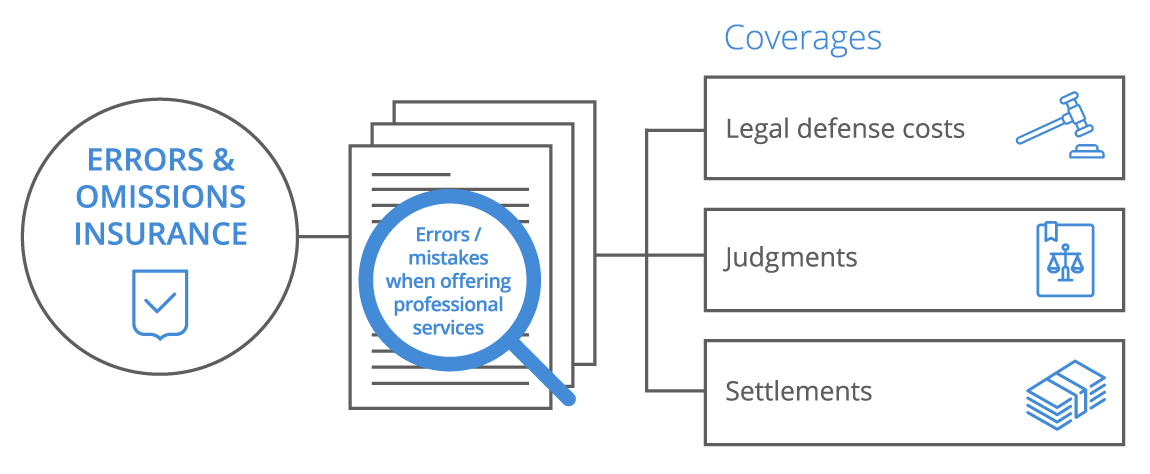
Errors and Omissions insurance, often called professional liability insurance, is designed for professionals and businesses to protect against claims of inadequate work or negligent actions. In Washington State, this type of insurance is essential for safeguarding your business from financial losses due to lawsuits alleging errors, omissions, or failures in the services you provide.
Key Features and Coverage Options of E&O Insurance in Washington
The coverage options for E&O insurance in Washington can vary, but they generally include legal defense costs, settlements, and judgments. A surprising fact? Even if you haven’t made a mistake, you might still face a lawsuit, and E&O insurance can help cover these unexpected legal expenses.
- Legal defense costs
- Settlements and judgments
- Claims investigation costs
Here is the deal: To get the most out of your policy, you need to ensure it’s tailored to your specific industry and risk profile. That means understanding not just the standard coverage but also any additional endorsements you may require.
Industries Commonly Requiring E&O Insurance in Washington
Who needs E&O insurance the most? Well, it’s not just lawyers and doctors anymore. In Washington, industries such as real estate, technology companies, and consultants are major players requiring this coverage. Imagine this: an IT consultant provides a solution that inadvertently causes a data breach. The financial implications could be enormous.
Pro Tip: Always check if your policy covers cyber liability if you’re in a tech-driven industry.
Ultimately, understanding E&O insurance is about proactively managing risks. Don’t wait until it’s too late to realize its importance.
Importance of Errors and Omissions Insurance for Professionals
Ever wondered what would happen if a client claims your advice cost them thousands? You’re not alone. In Washington State, professionals face this reality daily.
Errors and Omissions Insurance, often called E&O insurance, is a must-have for any service-based professional. It’s your financial safety net when a client claims you’ve made a mistake. This coverage is crucial because even a small error can lead to massive lawsuits. And, let’s face it, we all make mistakes.
Professionals Who Benefit from Errors and Omissions Insurance
Let’s talk about the types of professionals who cannot afford to skip on E&O insurance. Real estate agents, lawyers, and consultants top the list. But that’s not all. Accountants, architects, and even IT specialists in Washington also need this coverage. If your work involves providing advice or services, E&O insurance is your best friend.
Why? Because these professions often deal with sensitive information and complex transactions. Imagine a real estate agent missing a detail in a property listing or an accountant making a calculation error. These small slips can lead to big legal battles.
Potential Risks and Liabilities Mitigated by Errors and Omissions Insurance
Here’s the deal: No matter how careful you are, there’s always a risk of an oversight. Mistakes happen. E&O insurance shields you from the financial fallout if a client claims your error caused them harm. This is particularly crucial for industries where precision is key.
For instance, an incorrect financial audit report could lead to client losses and lawsuits. E&O insurance steps in to cover legal fees and settlements. It ensures you don’t have to drain your savings or close up shop because of a single slip-up.
Real-Life Scenarios Highlighting the Value of E&O Insurance in Washington
Let’s look at some real-world examples. A Seattle-based financial advisor once faced a lawsuit after a client accused them of giving poor investment advice. With E&O insurance in place, their legal costs were covered, saving their business.
Another case involved a tech consultant who advised on a software rollout that went haywire. The client sued for damages. Thanks to E&O insurance, this consultant didn’t go bankrupt. These scenarios underscore the importance of having a safety net in place.
Pro Tip: “Always review your E&O coverage annually to ensure it aligns with the evolving risks in your profession.”
Legal Requirements and Regulations in Washington State
Did you know many professionals in Washington are legally required to have Errors and Omissions (E&O) insurance? This isn’t just a safety net—it’s a mandate.
If you’re a real estate agent, contractor, or consultant, you’re probably falling under these regulations. But what exactly does Washington law say about E&O insurance for your profession?
State-Specific Regulations Impacting E&O Policies
Washington State has specific rules about who needs E&O coverage. Professionals like real estate agents must have policies that meet state minimums. These requirements ensure that clients are protected from potential mistakes or omissions.
Compliance isn’t just about having insurance—it’s about having the right insurance policy. Policies must include specific provisions as artikeld by state regulations, meaning a generic policy might not cut it.
Pro Tip: Always verify with a legal advisor to ensure your E&O policy aligns with Washington’s current laws.
Compliance Challenges for Professionals
Here’s the deal: staying compliant isn’t always straightforward. Professionals face challenges like understanding intricate policy details and adapting to changing regulations.
Failure to comply can lead to fines or even suspension of your professional license. This is why it’s crucial to keep up with state updates and work closely with an insurance provider familiar with Washington’s E&O requirements.
Cost Factors and Influences on Premiums
Did you know that the cost of Errors and Omissions (E&O) insurance in Washington state can vary by up to 50% based on a few key factors? Understanding these can save you a boatload of money.
Here is the deal: E&O insurance premiums aren’t one-size-fits-all. They depend on multiple elements that you can actually control. But what exactly affects these premiums?
Core Factors Affecting E&O Premiums
First things first, industry type plays a massive role. Tech consultants can expect different rates compared to real estate agents. Your business size is another key player. Larger operations typically face higher premiums.
Claims history is also crucial. A single past claim can bump your premium up by 10-20%. The final major factor? Your coverage limits. The more you want covered, the more you’ll pay.
Comparing Premium Rates
Let’s look at some real numbers to give you a clearer picture. Below is a table comparing different industry premiums:
| Industry | Coverage Limit | Annual Premium | Claims History |
|---|---|---|---|
| Real Estate | $1M | $1,200 | None |
| Tech Consulting | $1M | $1,800 | 1 Claim |
| Financial Services | $2M | $3,000 | None |
Strategies for Reducing Premiums
Wondering how to keep your costs down without compromising coverage? Start by maintaining a clean claims history. Avoiding claims can save you big.
Another step: adjust your deductibles. A higher deductible usually means a lower premium. But there’s a catch: make sure you can afford it if you need to file a claim.
Pro Tip: Bundle your E&O insurance with other policies. Insurers often offer discounts if you have multiple coverages with them.
Finally, regularly review your policy and shop around. Rates can change, and you might find a better deal elsewhere.
Evaluating and Choosing the Right Policy

What if I told you that choosing the wrong errors and omissions insurance policy could cost you thousands? Yes, it’s true. The right policy can make or break your business in a crisis.
But how do you choose the right policy among so many options? Here is the deal: You need a clear strategy to evaluate different policies and find the perfect fit for your needs.
Organize Your Search: A Guide to Evaluating Policies
Before diving into policy details, you need a game plan. Start by identifying your specific coverage needs. Speak to a few providers and get a feel for what they offer. Then, look at policy limitations and exclusions. Don’t be the person who finds out about a major exclusion after submitting a claim!
Essential Criteria for Choosing a Policy
Here’s a checklist to guide you:
- Coverage Limits: Does the policy cover the maximum potential loss?
- Deductibles: Is the deductible affordable?
- Exclusions: What common claims are excluded?
- Claims Process: Is it straightforward and easy to understand?
- Customer Service: Can you reach someone easily when you have questions?
- Financial Stability: Is the insurer financially robust enough to pay out claims?
Pro Tip: Always read the fine print. The devil is in the details!
Compare and Contrast: Insurers at a Glance
Here’s a handy comparison of top insurers:
| Insurer | Coverage Options | Customer Service | Financial Stability |
|---|---|---|---|
| Insurer A | Comprehensive, customizable | 24/7 support | AAA rating |
| Insurer B | Basic, limited add-ons | 9 am-5 pm support | AA rating |
| Insurer C | Comprehensive, specialized | 24/7 support | A rating |
Claims Process and Best Practices
Did you know that nearly 40% of professionals will face a liability claim in their careers? Filing a claim under your Errors and Omissions (E&O) insurance can be a lifesaver. BUT, the process can be tricky if you don’t know the steps.
Here is the deal: understanding the claims process can mean the difference between a quick payout and a lengthy battle. I’ll walk you through the key steps and best practices to ensure you’re prepared.
Filing a Claim in Washington State
Step #1: Notify your insurer immediately. The sooner your insurer knows about the issue, the faster they can act. Step #2: Gather all relevant documentation. This includes contracts, emails, and any communication related to the claim. Step #3: Work with your insurer on the investigation. They may want to dig deep into the case details. Step #4: Follow up regularly. Keep the lines of communication open with your insurer to avoid any surprises.
Maintaining Records and Documentation
Keeping detailed records is your best defense. Document every interaction and transaction with your clients. A complete record supports your case and can prevent disputes from escalating. Here’s a Pro Tip: use a cloud-based system to store documents securely and ensure they’re easily accessible.
Tips for Expediting the Claims Process
To speed up the process, be proactive. Respond to any requests from your insurer promptly. Communicate regularly and keep them informed about any new developments. And here’s a key tip: clarify expectations upfront. Make sure you understand what your policy covers.
Last Word
And there you have it—a complete rundown of Errors and Omissions Insurance in Washington State. Safeguarding your professional journey has never been easier. Whether you’re crunching numbers, crafting contracts, or creating real estate deals, remember that E&O insurance is the safety net that lets you focus on what you do best. Ready to shore up your defenses? Dive in and explore your options today.
FAQ Section
What is Errors and Omissions Insurance?
Errors and Omissions Insurance, also known as professional liability insurance, protects businesses and professionals against claims of inadequate work or negligent actions.
Who needs Errors and Omissions Insurance in Washington?
Professionals in fields such as real estate, law, consulting, and technology often require E&O insurance to protect against potential lawsuits or claims.
What does Errors and Omissions Insurance cover?
It covers legal fees, settlements, and judgments related to claims of errors, omissions, or negligence in professional services.
How are E&O insurance premiums determined?
Premiums are influenced by factors like industry risk, coverage limits, claims history, and the size of the business.
Are there legal requirements for E&O Insurance in Washington?
Yes, some industries have legal obligations to carry E&O insurance, and regulations may vary based on professional field and state laws.
How can I reduce my E&O insurance premiums?
Implementing risk management practices, increasing deductibles, and maintaining a clean claims history can help reduce premiums.
What should I do if I need to file a claim?
Contact your insurer as soon as possible, provide thorough documentation, and follow the claims process artikeld in your policy.